![[sch]Legal Tech](https://substackcdn.com/image/fetch/$s_!tpbI!,w_120,h_120,c_fill,f_webp,q_auto:good,fl_progressive:steep/https%3A%2F%2Fbucketeer-e05bbc84-baa3-437e-9518-adb32be77984.s3.amazonaws.com%2Fpublic%2Fimages%2Feb714602-b05a-4e7a-96ee-e66eefa09112_1280x1280.png)
The Anchor Leg

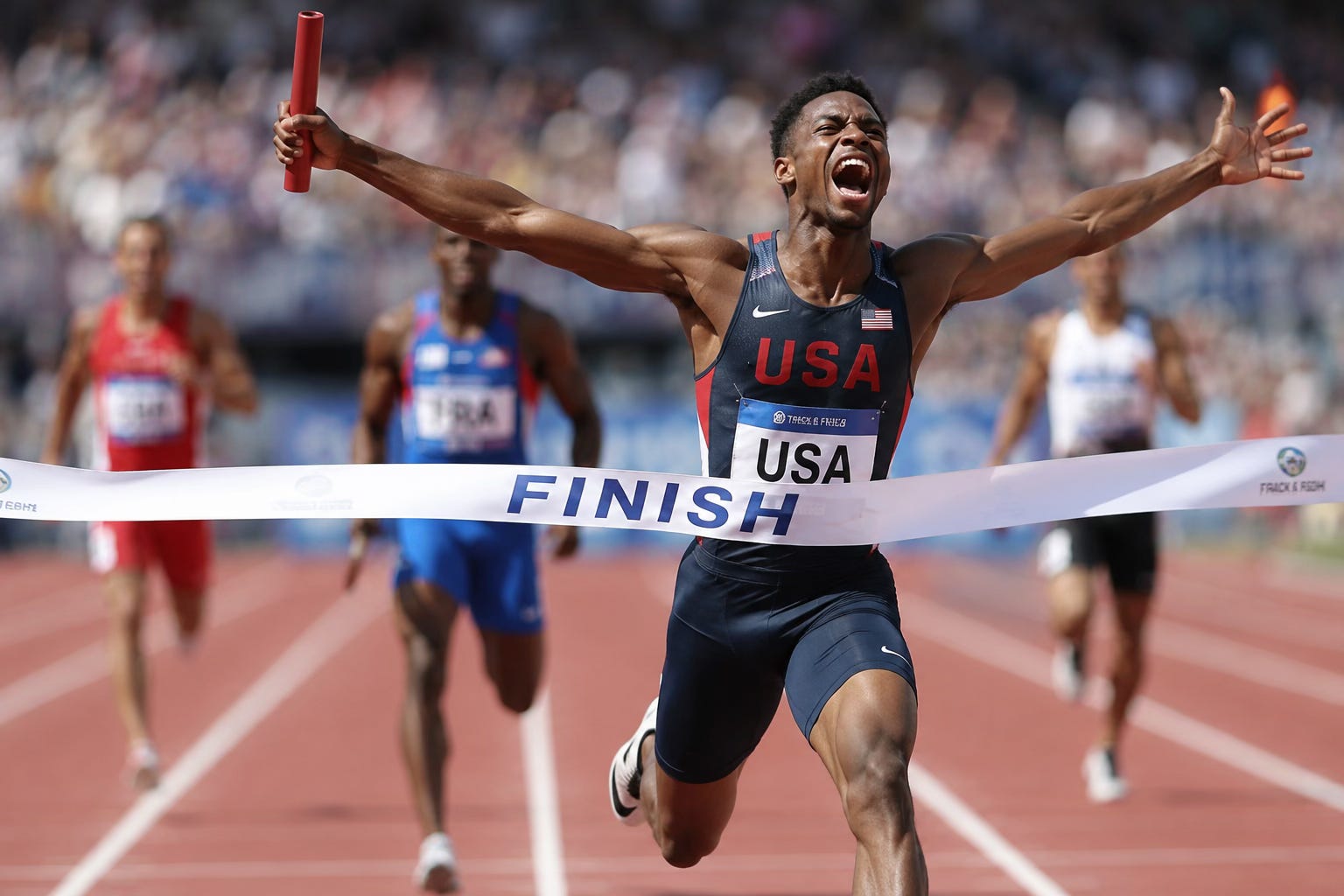
By the time the anchor takes the baton, everyone in the stadium understands the moment. The start mattered. The exchanges mattered. Every step before that point mattered. But now the race has reached the runner trusted to bring it home.
That is the anchor leg. It is not just another stretch of track. It is the part of the race where speed, pressure, timing, and responsibility meet. The anchor does not win alone, but the anchor carries the finish. That is why teams do not place runners randomly. They know what each leg requires, and they know who should be trusted with the final one.
That is the next way to think about AI in the practice of law. Legal AI is not just a question of whether the tool should receive the baton. It is also a question of which leg the tool is being asked to run.
AI can run some of the legs. It can help collect cases on a discrete procedural issue. It can organize dates into a timeline. It can format, summarize, search, compare, and help refine language after the human being has done the necessary work. Use the tool where the work has clear boundaries and the mistakes are easier to find. Those legs can be supported.
But the anchor leg is different. The anchor leg is theory-building. It is credibility assessment. It is deciding what matters in a record. It is understanding how a procedural posture changes the case. It is the moment a judge weighs the law, or a lawyer chooses which argument carries the real force. The anchor leg is the leg that carries judgment, and that is the leg the machine should not run.
Not because AI cannot generate fluent language about hard questions. It can. The issue is that judgment carries responsibility, and responsibility does not attach to a workflow. It attaches to a person. A lawyer owes duties to the client, the court, and the profession. A judge takes an oath and exercises judicial authority. AI can assist those people, but it does not carry their duties. It can generate the language of responsibility without bearing responsibility.
This is why the AI in Chambers framework starts with human review and direction before the tool enters judgment-sensitive work. It is also why the Sedona Conference guidelines emphasize judicial responsibility, independence, verification, and guarding against overreliance. The tool may assist, but judicial authority remains with the judicial officer. The first leg of the work belongs to the human. The anchor leg belongs to the human too.
A more capable AI does not change that. It may help with the work around the duty. But it should not run the leg where the duty lives. The lawyer or judge has to bring the matter home because no machine can stand there for them.
Use the tool where it reduces burden. Use it where the work can be checked. Use it where it improves access, clarity, and speed. But the anchor leg belongs to the human being, because that is the leg the machine should not run.